
How to Prepare for USMLE Step 1 and CBSE Exams
Preparing for the USMLE Step 1 and CBSE exams can feel overwhelming. These exams test not just what you know, but how well you can integrate and apply that knowledge under pressure. Having gone through both — and passing Step 1 just days after my CBSE — I learned that the key isn’t perfection; it’s pacing, strategy, and mindset. If you’re wondering how to prepare for USMLE Step 1 efficiently while keeping your sanity intact, this guide walks through exactly what worked for me and what I’d do differently.
Understanding the CBSE and How it Relates to USMLE Step 1
The Comprehensive Basic Science Exam (CBSE) is designed to assess whether you’re ready to take on the real USMLE Step 1. At St. George’s University, and at many U.S. medical schools, students write the CBSE after completing Term 5, or the first 2 years of medical school. These are the Basic Science years. There are no active classes at that point, so it becomes a self-directed study period focused entirely on exam preparation.
The CBSE serves a very practical purpose: it gives both students and schools a standardized snapshot of Step 1 readiness. Each institution sets its own minimum passing score; during my cohort, SGU required a 70% to qualify for Step 1. Students have a limited number of attempts to pass. You can read more about SGU’s CBSE policy here. Approval to sit Step 1 only comes after meeting that benchmark. I was part of the first SGU cohort required to pass the CBSE before writing Step 1, a change introduced after the Step 1 exam became pass/fail in January 2022.
That policy shift had unexpected ripple effects. Because Step 1 was no longer graded numerically, many students across the U.S. and Caribbean underestimated its difficulty. So they would study less intensely and as a result, some failed who would have passed otherwise. Schools introduced the CBSE requirement to ensure that students stayed on track and maintained the same level of rigor that’s needed to pass.
How I Prepared for CBSE and Step 1
My preparation for Step 1 didn’t start during Term 5 — it began the day I entered medical school. I didn’t know then that SGU would later require us to pass the CBSE first, but I knew from day one that everything I learned would ultimately build toward the USMLE Step 1. From my very first term, I approached every exam with the goal of mastering concepts, not just passing. That mindset made all the difference when it came time to take these high-stakes exams.
Preparing for CBSE
By the end of Term 5 in December, I already felt ready for Step 1. Two weeks after finishing the term, I wrote a baseline practice exam and scored in a competitive range. Since SGU designated February as the official CBSE testing period for my cohort, I used the weeks in between to stay sharp with UWorld questions and Anki reviews. Once I felt confident in my preparation, I turned my focus to understanding what the exam day would actually look like.
CBSE Test-Day Format
I wrote CBSE early in the two-week designated testing window. This is what test day looked like:
- Start time: 8 a.m.
- Total questions: 200, divided into 4 blocks of 50 questions.
- Time per block: 75 minutes.
- Total break time: 15 minutes optional break after the first 2 blocks
- Total exam time: 5 hours
After the exam. I gave myself permission to rest while waiting for results — a full three-week gap before scores were released. When my results came back well above the passing threshold of 70%, I scheduled Step 1 within 10 days while the material was still fresh.
My final 10-day structure before Step 1
I used my CBSE score breakdown to identify the systems that needed the most work. I went back to those topics in UWorld and reinforced them with targeted question blocks. In addition, I made sure to structure my study days like exam day. This is how I did it:
- Simulated test days: woke up and started studying at the same time each day to match exam timing.
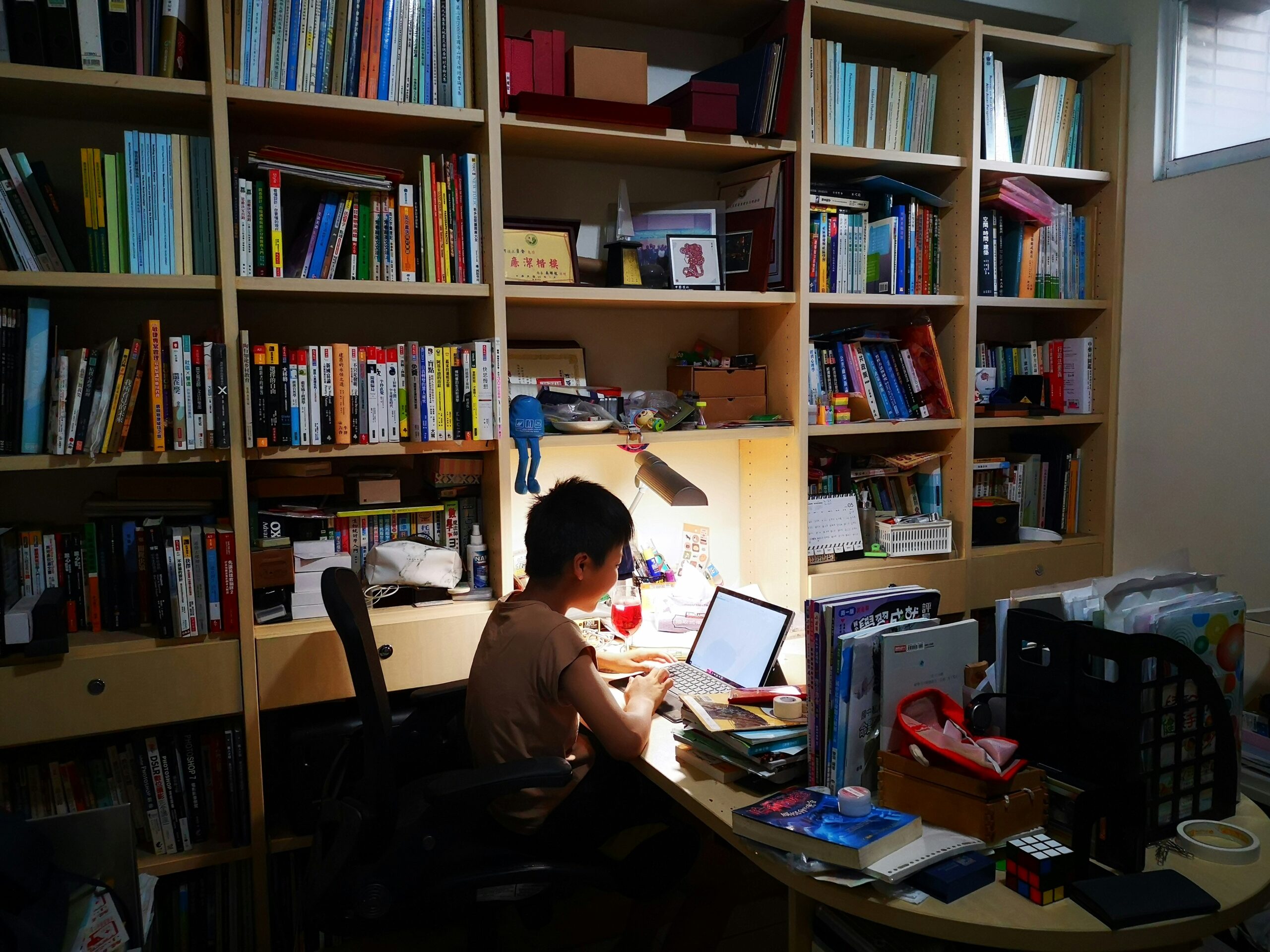
- Studied at a desk: avoided studying on my couch to build the physical endurance of sitting for long hours.
- Matched my break schedule: ate meals and took short breaks at the same times I’d use on test day.
USMLE Step 1 Test-Day Format
- Start time: 8 a.m.
- Total questions: 280, divided into 7 blocks of 40 questions.
- Time per block: 60 minutes.
- Total break time: 45 minutes for the entire day which you can use as you want.
- Total exam time: 8 hours
- Tip: If you skip the 15 minute tutorial at the start of the exam or finish a block early, that time gets added to your total break time.
Bonus Tips
One of the biggest lessons I learned from my CBSE was physical fatigue. I hadn’t slept well the night before and I wasn’t used to sitting upright for long hours because I had been studying on my couch. So I struggled to stay awake during the exam and by the end of it, my back and shoulders were tight and killing me. I also avoided drinking water because of the limited break time during CBSE, and ended up with a horrible headache.
To avoid these issues for Step 1, I made a few small but powerful changes:
- Slept properly and set a consistent bedtime.
- Studied exclusively at my desk to build posture and endurance.
- Drank water throughout the exam and took regular snack and bathroom breaks (easier to do with the longer Step 1 break time)
- Scheduled a massage the day before the exam to loosen tight muscles.
They might sound small, but together they made a world of difference. I walked out of the 8-hour Step 1 exam with more energy than after my 5-hour CBSE.
Resources and Tools That Helped the Most
Having the right tools and knowing how to use them made my preparation efficient and focused. I didn’t chase every new resource. I stuck with a few high-yield ones and learned how to get the most value from them.
Here’s what helped the most during my CBSE and Step 1 prep.
1. USMLE-Rx Question Bank: Building a Strong Foundation
SGU provided us with access to USMLE-Rx, which I used early in my preparation to cover as many testable topics for the CBSE. My goal at this stage was comprehensive coverage and true understanding. By completing the Rx questions carefully, I laid the groundwork for everything that came later.
2. UWorld: The Core of My Learning
After finishing USMLE-Rx, I moved on to UWorld I treated each question as a learning opportunity rather than a score. For every block, I took time to read through the full explanations, paying attention to why the correct answer was right and why the wrong ones were wrong. That habit deepened my reasoning and pattern recognition. By the end, I completed 30% of UWorld — not the full bank, but enough for my needs given a strong baseline. For anyone who needs more repetition, aiming to finish the entire bank is worthwhile; for me, quality of review mattered more than quantity.
3. Anki: My Daily Reinforcement System
Throughout medical school, Anki was my main tool for active recall. I continued using it during my dedicated study months to keep information fresh and build long-term retention. I created new cards for questions I missed on UWorld or NBME practice exams.
The biggest lesson Anki taught me was consistency: doing even a fraction of my cards every single day worked infinitely better than sporadic marathon sessions. Regular review turned small efforts into real retention.
4. NBME Practice Exams: Calibration and Review
The NBME practice exams were essential checkpoints. They are the closest to the real exam because they’re made by the same test writers as Step 1. I took several of them under realistic conditions and then spent 3-4 days reviewing each one in detail. It was time-consuming but transformative. Those post-exam reviews highlighted subtle reasoning errors I wouldn’t have caught otherwise and helped me adapt to the NBME’s unique question style and wording.
5. My Approach to Scheduling and Balance
By the time I reached dedicated prep, my foundation was solid, so I didn’t need a rigid, minute-by-minute schedule. In fact, I realized early in med school that overly strict planning created unnecessary stress for me. When one topic took longer than expected, I’d feel behind even if I was learning deeply.
Instead, I followed a flexible structure: clear goals for the day, but no pressure to match exact time blocks. That freedom kept me focused on understanding rather than chasing completion. It also gave me space to rest, which made my studying more sustainable.
Key Takeaways
Strong preparation doesn’t come from juggling dozens of resources — it comes from mastering a few and using them well. Deep learning happens during review, not while rushing through question sets. Build steady habits, choose tools that fit your learning style, and stay consistent. Those small, repeated efforts are what ultimately carry you across both the CBSE and Step 1 with confidence. And whether you’re a few months or a year away, remember that preparation isn’t just academic — it’s physical and mental too.
-M
Want updates on the latest posts? Email theislandmedonline@gmail.com or complete this form to join the email list today!




Your small tips are useful to make life easier while working for longer hour to stay motivated and dedicated.
Thanks